



Good news: Christine Morrison is back this week! We’ve featured the author of writing in black & white here several times, including our LIVE convo at the top of the year, discussing her recently released book, Clothes Minded.
Christine’s lens on the world of beauty, fashion and womanhood is always on and revealing details others might miss. Here, she digs into the timely pattern of women’s names (read: identities) as brand assets—and the complicated business of stepping away.
As someone who’s named after the month they were born in…
Enjoy!
April 💋
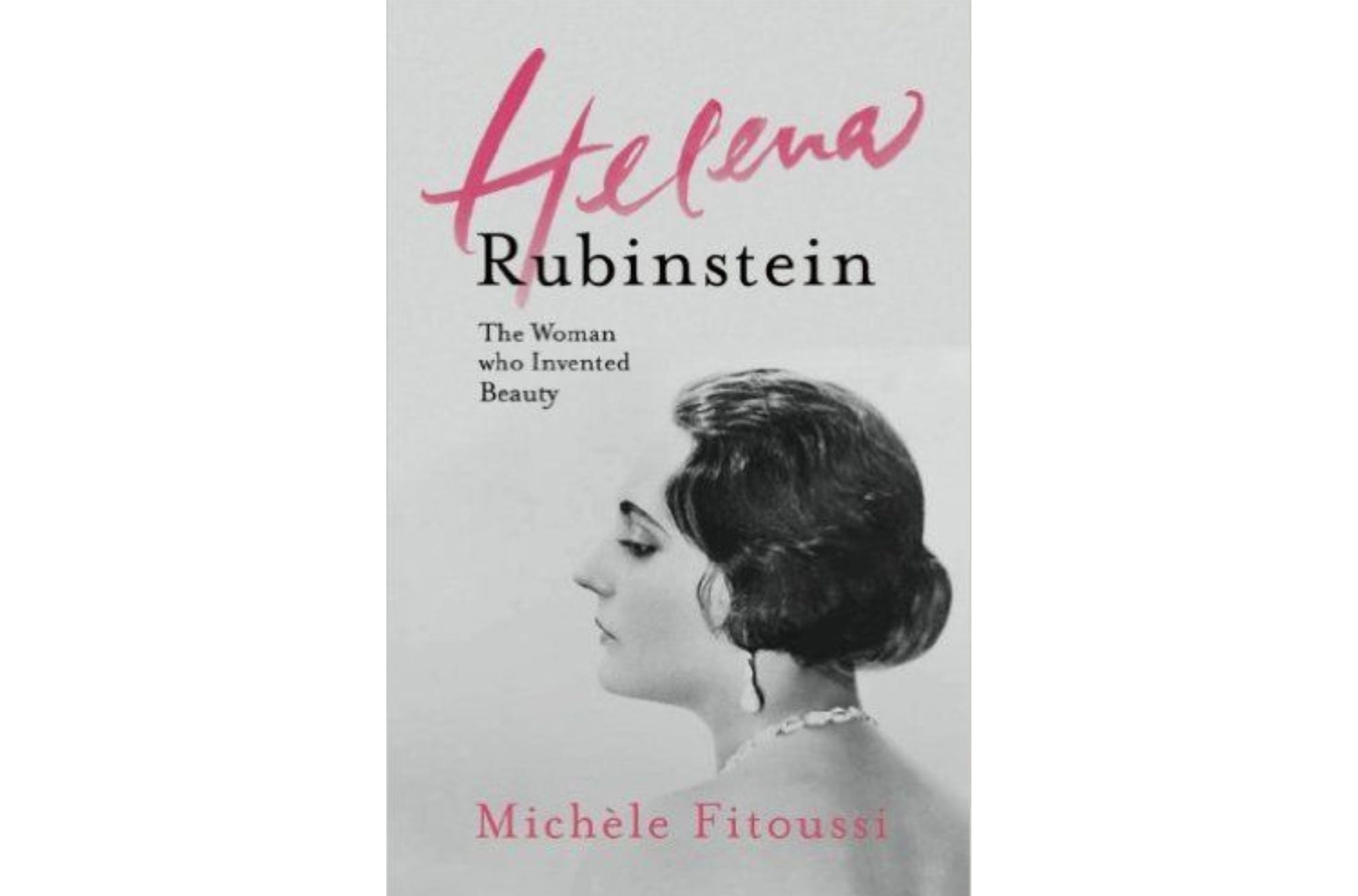
Elizabeth Arden. Helena Rubinstein.
Following in the footsteps of icons like these, beauty entrepreneurs have long built businesses that are more than just companies—they are extensions of themselves.
Their names aren’t merely labels, they’re the brand’s entire identity. From then to now, personal taste, vision and authority have become embedded in every logo, package and campaign. To put your name on a business is to declare, quietly but unmistakably: “I am here. I made this.”
For founders whose name is the brand, stepping away is anything but simple.
Nine years after launching Jo Malone London to extraordinary commercial success, Jo Malone sold the business—and all commercial rights to her name—to Estée Lauder.

She remained as creative director for seven years before leaving in 2006 to launch Jo Loves. Two decades later, Estée Lauder is suing Malone over a Zara fragrance collaboration which references “Jo Malone… founder of Jo Loves.” Lauder argues the mention could confuse consumers between the brand “Jo Malone” and Jo Malone herself.
Note: I was not confused.
But the lawsuit underscores something deeper: when your name becomes a brand asset, it can become something you no longer own or control. (Side note: in a cosmic dose of divine timing, just last week, Jo Malone responded, her lawyers mounting a defense in the UK High Court that refutes Estée Lauder’s allegations of trademark infringement.)
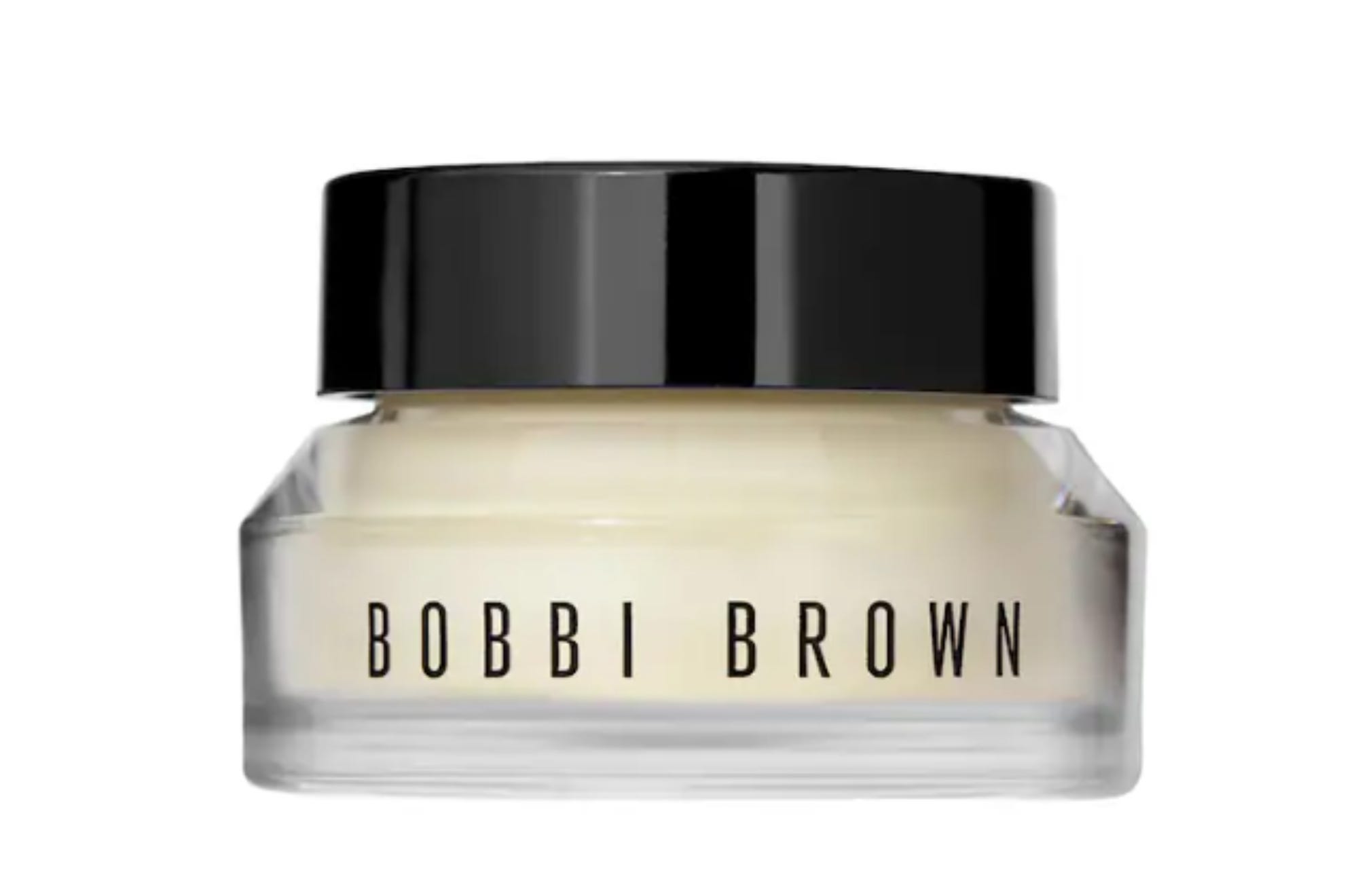
Then there’s Bobbi Brown. After selling her namesake company to Estée Lauder, she waited until the very day her non-compete expired to re-enter the category with the launch of Jones Road Beauty.

The beauty maven didn’t need her moniker—she leveraged her reputation and expertise for her second beauty act, which has been a runaway success. But what’s less known is the cost of her pause. In the four years she signed away her ability to work in the category that made her a household name, she stayed busy: she opened the boutique hotel The George, earned certification through INN, launched the wellness line Evolution 18, and co-founded a film and TV studio. She has spoken out about the desire to stay busy until she could get back to her first love—beauty. Her recent memoir, Still Bobbi, is a testament to the importance of her name and remaining true to herself, particularly as she has now reclaimed her beauty identity.
Sara Happ has recently shown just how personal this identity shift can be. She built her lip brand—and in many ways shaped the category from the start twenty-one years ago—putting in not just her time and expertise, but her sensibility and soul into the company that carried her name.

She recently stepped away as her values no longer aligned and now must watch her namesake—and the brand she once envisioned working on until retirement—move forward without her. Watching Sara explain her departure, while she’s only just beginning to grasp what it means to step back from a brand that will forever bear her name, has been heartbreaking.
“We want our name on the door, or the brand, to show who is in charge.”
It’s often said personal branding is power (just ask Oprah). But the reality is more complicated. Names can be sold. Trademarks enforced. Companies can—and do—continue without their original heartbeat. For founders, what they are left with isn’t just the loss of a business. It’s their identity, and sometimes an existential crisis.
What makes founders like Jo Malone, Bobbi Brown, and Sara Happ (and women who’ve yet to walk away but have their names on the door: Diane Von Furstenberg, Norma Kamali, Mara Hoffman, Clare V, Nili Lotan and so many more) compelling isn’t just their vision or expertise. It’s the willingness to make themselves vulnerable—putting their names, and by extension their souls, into their work.
“To put your name on a business is to declare, quietly but unmistakably: ‘I am here. I made this.’”
That personal stake is what draws us in. It’s what gives these brands their life. It’s what creates what my ad agency decades ago called a “lovemark”: a brand that inspires loyalty beyond reason.
And, let’s be honest, we all know this has never been just about branding. Naming a business after oneself is often an act of claiming space in an environment where visibility, authority and access are still unevenly distributed. Even today, while companies founded by women often outperform those founded by men, female founders receive only a fraction of venture capital funding. More women are reaching the C-suite and reshaping leadership norms, but the imbalance persists. We want our name on the door, or the brand, to show who is in charge.
While these recent stories feel like cautionary tales, an overarching message stands out: holding back—hesitating to fully invest our own names and vision—can lead to even greater loss. It strips our work of the very thing that makes it meaningful. It’s the business equivalent of holding back in love.
You’ll be safer, perhaps, but you’ll never experience the thrill of going all in.
Thank you for sharing some of my story, Christine & April. I never envisioned a world where boxes would have my name on them… but nothing of ME inside them. My love to Bobbi Brown, who’s shown me a path. X, Sara Happ (herself)
Smart, soulful POV, as always.